
Magnetic Surfaces for DIY Home Organization
Magnetic surface providers and DIY organization ideas: magnetic primer vs. steel sheeting vs. steel-backed boards, plus where each works in a real home.
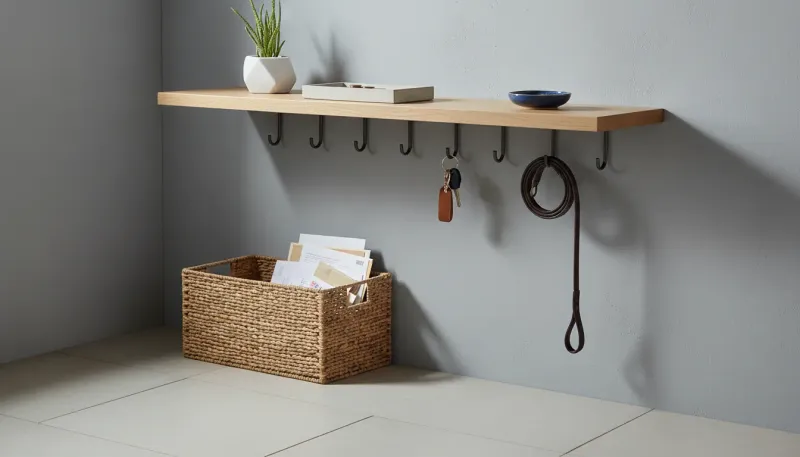
Published · Linda Wise
7 min readLast updated: November 8, 2026 | Reviewed by: Linda Wise, managing editor
Magnetic walls look like a simple idea and disappoint a lot of people. The reason is almost always the same: the surface was chosen for convenience rather than for holding force, and the first heavy item slid down the wall.
There are only three real ways to get a magnetic surface at home — magnetic primer, adhesive steel sheeting, and a steel-backed board. Each has a different ceiling on what it can hold, a different installation story, and a different price. Pick by what you plan to hang, not by what is easiest to buy.
Everything below is a planning guide. Confirm coating coverage, sheet thickness, and load guidance on the manufacturer’s product page before you commit to a wall.
The Three Real Routes to a Magnetic Surface
Magnetic primer
Magnetic primer is paint with iron particles in it. Brands including Rust-Oleum and KILZ sell versions of it, and both are widely available at hardware stores.
What it does well: turns a painted wall into a surface that holds thin, strong magnets — photos, notes, lightweight cards. What it does not do: hold a fridge magnet, a hook, or anything with weight. Most manufacturers recommend multiple coats to build any usable pull, and the effect is uneven unless the coats are applied consistently.
- Cost: low, roughly the price of two or three gallons of primer for a large wall.
- Best for: a kids’ art wall, a photo grid, a rental-friendly note surface.
- Skip it if: you want to hang tools, bins, or keys.
Adhesive steel sheeting
This is a thin roll or sheet of steel with a peel-and-stick backing. Master Magnetics and Dowling Magnets are among the established suppliers of magnetic sheeting and receptive steel products, and hardware and sign suppliers carry similar material.
This is the most versatile option. It goes on flat, takes paint, and holds real magnets — neodymium hooks, magnetic clips, magnetic bins. It is also the option most likely to be installed badly: air bubbles, poor adhesion on textured walls, and edges that lift over time.
- Cost: moderate, and it scales with thickness and area.
- Best for: a mudroom panel, a kitchen message wall, a craft room tool strip.
- Skip it if: the wall is textured, freshly painted, or you rent and cannot risk the adhesive.
Steel-backed boards
A steel-backed board is a rigid panel — often a whiteboard or a framed steel sheet — that mounts to the wall with screws or a French cleat. Office suppliers sell magnetic whiteboards; sign shops and metal fabricators cut plain steel panels.
This is the strongest and the easiest to get right. The board carries the load, the mounting hardware carries the board, and you can remove it without repairing drywall. The trade-off is that it looks like a board on a wall, not like a painted surface.
- Cost: highest per square foot, but the most predictable result.
- Best for: garage tool walls, heavy-duty mudroom panels, kitchens.
- Skip it if: you want the surface to disappear into the wall.
| Method | Holding force | Install difficulty | Cost for 2x4 ft | Removable |
|---|---|---|---|---|
| Magnetic primer | Low | Moderate (multiple coats) | $30-$60 | No |
| Adhesive steel sheeting | Medium-high | Moderate (flat wall needed) | $40-$90 | With damage |
| Steel-backed board | High | Easy (screws or cleat) | $60-$150 | Yes |
What Each Surface Can Actually Hold
This is where most projects go wrong. The magnet, not the surface, is usually the weak link.
- Standard ceramic fridge magnets: hold paper on a steel board, nothing on primer.
- Neodymium disc magnets: the workhorse. Small discs hold several sheets of paper; larger ones hold a light tool.
- Magnetic hooks: rated by pull force, but the rating assumes a flat, thick steel surface. On thin sheeting, expect a fraction of the stated number.
- Magnetic bins and cups: useful for pens, screws, and small tools. Keep individual loads light.
- Magnetic knife strips: strong enough for knives because the strip is thick steel and the knife is flat against it.
A practical rule for wall panels: keep individual items under about 3 pounds, and never rely on a magnet for anything that would break, hurt someone, or matter if it fell. The wall anchors are the real limit on a steel-backed board.
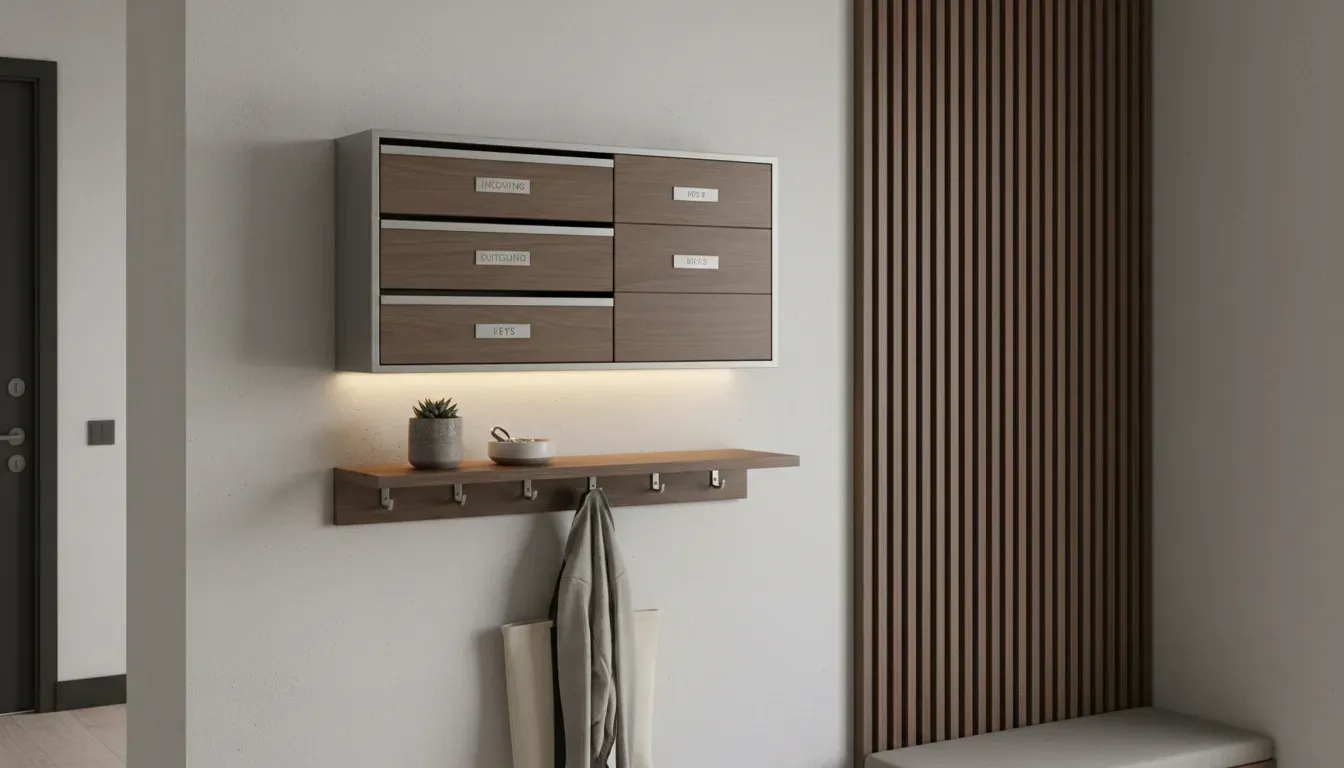
Image: a steel-backed board holds keys, small bins, and paper without the wall repair that adhesive sheeting requires.
Five DIY Projects Worth Building
1. A mudroom key and mail panel
Mount a steel-backed board at 48 to 54 inches, add magnetic hooks for keys and a magnetic cup for pens, and a small magnetic bin for outgoing mail. This is the highest-value magnetic project in most homes because it replaces the pile that forms by the door.
2. A magnetic knife strip in the kitchen
A magnetic knife strip is a real product category sold by kitchen suppliers and knife makers, and it is easy to mount. Screw it into studs or use proper anchors, keep it away from the edge of the counter and above child height, and test the pull with your heaviest knife before loading the rest. Never mount one over a walkway.
3. A craft or tool wall
Adhesive steel sheeting on a plywood backer, screwed to the wall, gives you a magnetic surface you can also hang from. Screwdriver bits, tweezers, small scissors, and hex keys all live on magnets. This is a better use of sheeting than a bare painted wall because the backer guarantees a flat surface.
4. A kids’ art and schedule wall
Magnetic primer plus a few strong neodymium magnets is enough for drawings and a printed schedule. Cheap, removable-ish, and forgiving. Do not expect it to hold a clipboard.
5. A laundry or utility panel
A steel board near the washer holds a magnetic cup for lint, a hook for the measuring scoop, and a printed stain chart. Small, useful, and it takes ten minutes.
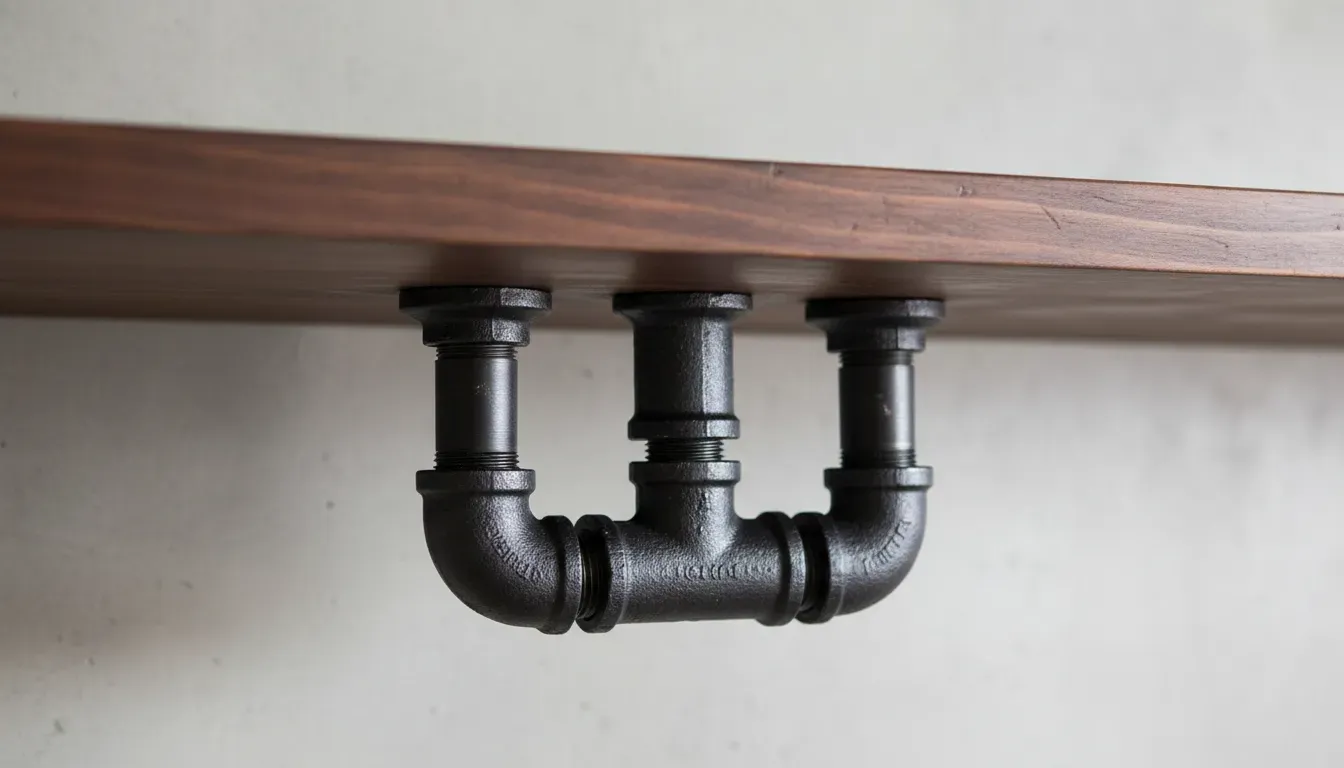
Image: sheeting on a plywood backer stays flat, which is the difference between a clean panel and a bubbled one.
Installation Notes That Save the Project
- Find the studs first. A loaded panel is heavy. Screw into studs or use anchors rated for several times the load.
- Clean and seal the wall before any adhesive. Dust and fresh paint both defeat peel-and-stick.
- Work from one edge when applying sheeting, pressing out air as you go. A squeegee and patience beat a rushed full-sheet press.
- Paint sheeting before mounting if you want it to blend. Two thin coats, fully cured, or the magnets will mar the finish.
- Leave a reveal at the edges of a steel board. A 1/4-inch gap reads as intentional; a flush edge against a crooked wall does not.
Magnets: What to Buy First
Before you buy a surface, buy a small mixed pack of neodymium magnets and test them on the material you plan to use. Ten minutes of testing prevents a wall you cannot use.
- Disc magnets, 12 to 20 mm — the general-purpose choice for paper, photos, and light cards.
- Hook magnets — for keys, small tools, and anything you want to hang rather than pin.
- Cup magnets with a threaded stud — for a stronger hold where you can also use a mechanical fastener.
- Magnetic clips — good for bags of hardware and sealed snack bags in a pantry.
Skip the decorative ceramic magnets for anything functional. They are designed to look good on a refrigerator door, not to hold a tool on a vertical panel.
One safety note that matters more than it sounds: neodymium magnets are brittle and strong. Two of them snapping together can chip and pinch hard enough to break skin. Keep small ones away from children and from anyone with a pacemaker, and store them stacked with a spacer.
Where to Spend and Where to Save
Spend on: the steel board or the sheeting. This is the part that determines whether the wall works.
Save on: magnets. Buy a mixed pack of neodymium discs and hooks and test before buying specialty shapes.
A budget-friendly supplement
Costway’s storage and organization range includes stackable bins, foldable baskets, and closet organizers at factory-direct prices. Affiliate link: we may earn a commission at no extra cost to you. Measure first, and buy one sample before committing to a matching set.
For non-magnetic wall systems that solve the same problem, see our pegboard entryway storage guide and the awkward alcoves and nooks guide. If the panel is going in a mudroom, transforming closet entryways covers the surrounding layout. Tech-forward storage ideas live in smart closets and tech hubs.
Bottom Line
In our assessment, a steel-backed board is the strongest and most reliable magnetic surface for most homes, adhesive sheeting is the best compromise when you want a flush wall, and magnetic primer is a craft-project material rather than an organization system.
Decide what the wall must hold before you buy anything. If the answer includes keys, tools, or bins, skip the primer. If it includes drawings and photos, primer plus strong magnets is plenty.
Shop Costway Mudroom Lockers & Storage Cubbies
Organize family chaos with heavy-duty mudroom lockers, modular cubby units, and drop-zone organizers.
* Affiliate disclosure: We may earn a commission if you shop through this link at no added cost to you.
Shop Mudroom Storage on CostwayFrequently Asked Questions
Does magnetic primer actually hold magnets?
It holds thin, strong magnets and nothing else. Magnetic primer contains iron particles suspended in paint, and most brands recommend several coats to build any usable pull. A refrigerator magnet will slide off. Use it for lightweight paper and photos with neodymium magnets, not for tools or bins.
What is the strongest magnetic surface for a wall?
A steel-backed board or a sheet of galvanized steel, because the holding force comes from solid metal rather than a coating. Adhesive steel sheeting is a close second and easier to install on a flat wall. Magnetic primer is the weakest of the three by a wide margin.
Can I put a magnetic surface over wallpaper or tile?
Adhesive steel sheeting needs a clean, flat, sealed surface and will damage wallpaper when removed. Over tile, the grout lines prevent full contact, so mount a steel-backed board on standoffs instead. Magnetic primer can go over wallpaper but will not hold much.
How much weight can a magnetic wall hold?
A steel-backed board with a strong neodymium hook magnet can hold several pounds per magnet, but the practical limit is the wall anchors, not the magnet. Keep individual items under about 3 pounds on a wall-mounted panel and use mechanical fasteners for anything heavier.
Are magnetic knife strips safe for a family kitchen?
Yes, if the strip is mounted into studs or with proper anchors and the magnets are strong enough that the knife cannot slide. Mount it well above child height, away from the edge of the counter, and never above a walkway. Test the pull with the heaviest knife before loading the rest.